
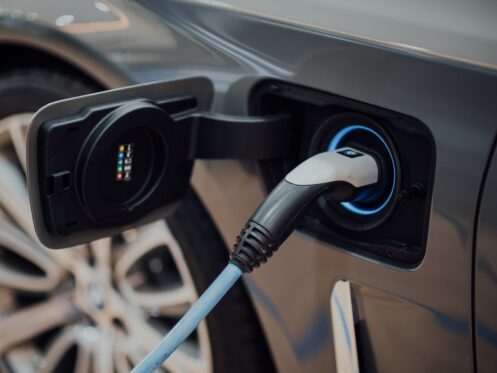
A hardwired charger connects directly to your home’s electrical wiring, while a plug-in EV charger uses a compatible 240V outlet. The best choice depends on your electrical system, budget, and charging needs. If you’re comparing a hardwired vs plug-in EV charger, an electrician can help you choose a safe setup for your Fort Myers home.
According to the International Energy Agency, one in every four cars sold worldwide in 2025 was electric. As more drivers switch to electric cars, they’re considering home charging too.
However, buying a charger isn’t the only step. At Absolute Electric, we help homeowners understand their electrical needs and safely install a charging station.
What Is the Lifespan of a Home EV Charger?
A home EV charger typically lasts about 10 years, though some units will work longer. The lifespan depends on:
- The quality of the charger
- How often you charge your vehicle
- Weather exposure
Proper maintenance helps keep your charger in good condition. Check the charging cable for:
- Cracks
- Fraying
- Other signs of damage
Keep the unit clean and clear of dirt. You should also ensure you don’t crush the cable under your car or bend it sharply during use.
Is a Tesla Charger Hardwired or Plug-In?
A Tesla home charger can be either hardwired or plug-in, depending on the model and installation. The Tesla Wall Connector is typically hardwired. However, a Tesla Mobile Connector can plug into a compatible 240V outlet with the correct adapter.
Before choosing, check your Tesla model’s charging needs and your home’s electrical capacity.
Hardwired vs Plug-in EV Charger: Choosing the Right Option for Your Home
Both the hardwired and plug-in EV chargers are convenient. However, each has different benefits and installation needs. Comparing them will help you make the right choice and ensure you get long-term value.
EV Charger Installation Requirements
A hardwired charger connects directly to your home’s electrical wiring. An electrician installs the required circuit, connects the wires, and secures the charger in place. No wall outlet is needed.
A plug-in charger connects to a suitable 240V outlet. If your garage doesn’t have one, an electrician must install the right outlet and circuit before you use the charger.
Your electrical panel also needs enough capacity to support the added load. Older homes often need electrical work before they can support a new charging station.
At Absolute Electric, we help homeowners review their electrical systems before installation. Our team can explain the work your home needs and help you plan the next steps.
The Benefits
A hardwired charger suits homeowners who want a permanent charging point. Using it will avoid wear on a wall outlet. It may support higher charging power when the equipment and circuit allow it.
A plug-in charger offers more flexibility. You can unplug the unit when replacing it or moving to another home, provided the outlet and charger are compatible.
Charging Performance
The charging speed of an EV charger depends on its power rating, the circuit, and your vehicle. A hardwired charger won’t be automatically faster than a plug-in model. Both can offer similar speeds when their power ratings match.
A higher-powered charger may fill your battery faster. However, your vehicle also determines the maximum charging power it can handle. Investing in a more powerful unit won’t always shorten charging time.
Think about your daily mileage before paying for extra power. If you drive short distances and charge overnight, a standard Level 2 EV charger setup may meet your needs.
Is a Hardwired EV Charger Safer Than a Plug-in Model?
Both options can be safe when installed correctly. Your home’s electrical setup and the charger’s power rating affect safety. Hiring a professional electrical technician will help you avoid safety issues that may result from:
- Damaged electrical cables
- Incorrect voltage ratings
- Poor electrical grounding
- Improperly secured wiring
- Incompatible receptacles
Loose wires or poorly fitted connections can create electrical resistance, causing heat to build up during charging. Over time, excessive heat may damage the wiring. It can also melt outlet components, increasing the risk of an electrical fire.
A hardwired EV charger eliminates the wall receptacle as a potential point of failure. However, proper installation is essential for both models. Work with the best electricians in Fort Myers to ensure all your connections are secure.
The Electrical Requirements for an EV Charger Installation
Our electricians will inspect your system and ask about your needs before determining the items needed for the setup. Some key things they’ll consider include:
- Whether your circuit and circuit breaker are the right size
- If you have the right wire size and connections
- The distance from your electrical panel to your parking space
Florida’s heat, humidity, and heavy rain make proper placement and weather protection crucial during EV charger installation. A garage may offer better protection from the weather than an exposed driveway. If you want to connect your charger to an outdoor outlet, choose the right equipment. It needs to be rated for outdoor use and suitable for the charger’s power requirements.
Here at Absolute Electric, we consider your home’s layout and charging needs before recommending any installation option. We’ll also help you understand the electrical work involved so you can prepare your home for reliable daily charging.
How Much Does EV Charger Installation Cost?
The cost depends on the charger, wiring, labor, and condition of your electrical system. A charger installed near a suitable electrical panel may cost less than one that needs a long cable run or a panel upgrade.
A hardwired unit may also require extra work if you choose a higher-powered model. If you’re searching for a cheap licensed electrician, compare the full quote. Ensure you also consider the technician’s experience and the work included, rather than just the lowest price.
Our electrical company has been serving local customers since 2006. The experience makes it easier for our team to accurately estimate the cost of installing an EV charging system in a Fort Myers home. We provide you with a quote including:
- The charger and installation materials
- Labor and electrical connections
- Permit and inspection fees, where required
- Any needed circuit or panel upgrades
With a clear estimate, you’ll understand what you’re paying for. You’ll also be able to budget for the work to avoid unexpected costs.
Frequently Asked Questions
Can I Install a Level 2 EV Charger by Myself?
It’s best to hire a qualified electrician for the electrical work. A Level 2 charger often needs a dedicated 240V circuit, correct wiring, and a suitable breaker.
Incorrect connections may cause electrical damage or fire.
Decide where you’d like the charger mounted, then let our team confirm the location and electrical needs before buying equipment. Doing so will help you avoid the unnecessary risk of a DIY installation.
How Long Does Installation Take?
A simple installation may take a few hours, while a more complex project will take longer. The time depends on the amount of work needed. These factors are also crucial when planning for the installation:
- The distance between your electrical panel and parking space
- The condition of your wiring
- Whether your panel needs an upgrade
Outdoor installations often require some extra work to protect the equipment from harsh weather. Ask for an estimated schedule before work begins to know when your charging station will be ready.
Can I Plug My EV Into a 240V Outlet?
Yes. You can plug your EV charger into a 240V outlet if all the other components support it.
Avoid assuming a dryer outlet will work even if it meets the required capacity. You probably won’t be able to use your dryer and EV simultaneously. Let the best electricians in Fort Myers check your setup before plugging in your vehicle.
A proper installation gives you a reliable place to charge your car without always worrying about your safety or vehicle damage.
Is a Plug-in Charger Easier to Replace?
Yes. You can easily unplug and replace it without changing the wall wiring. However, the new charger must match the outlet and circuit rating. Consider whether you plan to move or upgrade your charger soon before choosing an installation method.
If you get a hardwired charger to replace your current one, don’t do the work without professional help. Ask an experienced electrician to help you disconnect and reconnect the wiring.
Should I Buy the Cheapest EV Charger?
Not necessarily. Instead of picking the cheapest option, look for a charger that meets recognized safety standards. It should also work with your vehicle. Go for a higher-priced model if you’re looking for features like:
- Smart scheduling
- Energy monitoring
- Adjustable charging power
These features are useful, but you don’t need to pay for options you won’t use. Compare the charger’s specifications, warranty, and installation cost before deciding.
Install the Right EV Charging Solution for Your Home
A hardwired vs plug-in EV charger comparison can help you pick the right one for your home’s electrical system, budget, and plans. Both options offer convenient home charging when installed correctly, but their wiring needs and flexibility differ.
At Absolute Electric, we provide electrical services with a focus on customer service and high-quality work. Our reliable service has earned us an A+ rating from the Better Business Bureau and over 700 5-star reviews. Contact us to discuss your electric vehicle charging needs and get expert installation services.